


San Diego Elder Abuse Attorneys

Call Us Today:
Aggressive and Fearless Representation

Fighting Back Against Elder Abuse and Caregiver Misconduct

San Diego families place enormous trust in the people responsible for caring for aging loved ones. That trust may be placed in a nursing home, assisted living community, memory care facility, home health aide, or even a family member. Sadly, some seniors experience neglect, mistreatment, or exploitation at the hands of the very people entrusted with their well-being.
Elder abuse is often hidden in plain sight. A sudden decline in health, unexplained injuries, missing money, poor hygiene, unusual fearfulness, or repeated medical issues may point to a larger problem. Families are frequently told that these changes are simply part of getting older, only to learn later that something far more serious was taking place.
California law gives older adults important legal protections, but uncovering abuse often takes more than suspicion alone. Records need to be reviewed. Facts need to be gathered. Questions need to be asked.
At Stipp Law Firm, we help families across San Diego investigate concerns involving elder abuse, neglect, and financial exploitation. If you believe an aging loved one may be at risk, we can help you understand what is happening and what steps can be taken to protect them.
Speak with a San Diego elder abuse attorney today at (844) 994-0480 for a free consultation.
What Is Elder Abuse?
Elder abuse occurs when an older adult suffers harm through neglect, abuse, exploitation, abandonment, or other misconduct by someone responsible for their care or support.
Many people picture physical violence when they hear the term “elder abuse,” but the reality is often much broader. Abuse may involve untreated medical needs, emotional intimidation, financial manipulation, medication errors, poor supervision, or the failure to provide basic care.
The problem is far more common than many families realize. The National Council on Aging estimates that 5 million older Americans experience some form of abuse each year, while financial exploitation alone costs seniors an estimated $36.5 billion annually.
These situations can arise in:
- Nursing homes
- Assisted living facilities
- Memory care communities
- Private residences
- Hospitals and rehabilitation centers
- In-home caregiving arrangements
In many cases, the abuse develops gradually. Families may notice small changes at first without realizing they are part of a larger pattern. By the time concerns become obvious, the harm can already be significant.
Warning Signs of Elder Abuse Families Should Never Ignore
Abuse and neglect rarely announce themselves. More often, they appear through changes in a loved one’s health, behavior, finances, or living conditions.
Some common warning signs include:
- Unexplained bruises, cuts, fractures, or pressure injuries
- Sudden weight loss, dehydration, or poor hygiene
- Frequent hospital visits with unclear explanations
- Missed medications or untreated medical conditions
- Withdrawal from family and friends
- Anxiety, fear, or unusual emotional changes
- Missing belongings or suspicious financial activity
- Unexpected changes to legal or financial documents
- Unsafe living conditions
- Reluctance to speak openly around certain caregivers
If something feels wrong, pay attention to that feeling. Families are often the first people to recognize that something isn’t adding up.
You Don’t Need Proof to Start Asking Questions
Many families wait longer than they should. They hope things will improve. They accept explanations that do not quite make sense. They tell themselves they need stronger proof before taking action.
You do not need hard evidence before speaking with an attorney.
A conversation can help you make sense of what you are seeing, identify potential red flags, and understand what options may be available. In many situations, early action helps preserve important evidence and protects vulnerable adults from further harm.
Our consultations are free and confidential. You can ask questions, share concerns, and get guidance without any obligation.
Meet Your Attorney, Jake Stipp
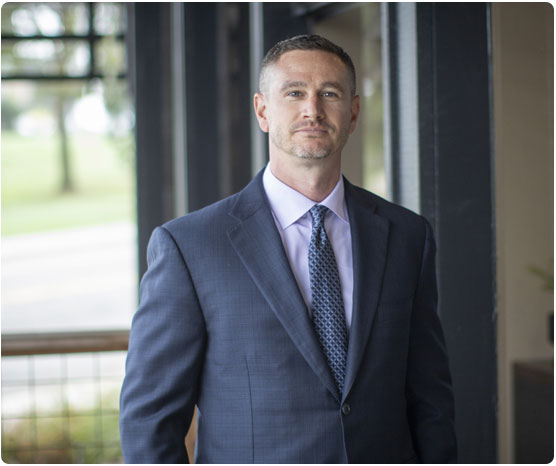
Jake Stipp is the founder and managing attorney of Stipp Law Firm. He represents victims of elder abuse and neglect throughout San Diego County and has built his practice around helping vulnerable individuals and their families seek answers and accountability.
Before entering private practice, Jake worked for the Social Security Administration reviewing disability claims and medical records. That experience taught him how to identify important details hidden within complex healthcare documentation.
Elder abuse cases often turn on those details. Missing chart entries, inconsistent care records, unexplained treatment gaps, and overlooked medical notes can reveal a very different story than the one families are initially given.
At Stipp Law Firm, Jake personally oversees every elder abuse case. Clients work directly with him and his team of attorneys responsible for investigating the facts, developing the legal strategy, and guiding the case forward.
Families come to us looking for answers. Our job is to uncover the truth, protect vulnerable adults, and hold the responsible parties accountable.
Elder Abuse Is a Growing Concern Across San Diego
San Diego is home to a large and growing senior population. Thousands of older adults rely on nursing homes, assisted living facilities, memory care communities, home health aides, and family caregivers every day.
Most caregivers work hard to provide quality support. Still, abuse and neglect continue to happen in settings families trust.
In 2025, San Diego County recorded a sharp rise in elder abuse cases, driven largely by increasingly sophisticated financial scams alongside ongoing concerns around physical neglect. Financial exploitation alone led to staggering losses, with seniors losing nearly $70 million in just the first half of the year. During the same period, the San Diego Elder Justice Task Force also uncovered an international fraud and money laundering operation in which scammers posing as well-known tech companies used deceptive “refund” schemes to trick older adults into sending money, resulting in more than $42 million in losses and over 500 identified victims.
Many cases stem from problems such as:
- Understaffing
- Poor employee training
- Lack of supervision
- Medication errors
- Failure to follow care plans
- Financial misconduct
- Inadequate monitoring of vulnerable residents
The troubling part is that abuse often develops quietly. Families may not recognize the warning signs until a loved one’s health, finances, or emotional well-being has already suffered.
We’ve seen situations involving untreated infections, repeated falls, preventable pressure injuries, unexplained financial activity, and residents left without proper attention for extended periods.
Our San Diego elder abuse attorneys know what these cases look like beneath the surface. We know where to look, what records to request, and how to uncover information facilities and caregivers may not volunteer.
What Compensation Actually Covers
Legal action cannot undo what happened, but it can provide resources for ongoing care and hold the responsible parties accountable.
Depending on the circumstances, compensation may include:
- Medical expenses and ongoing care needs
- Pain and suffering caused by neglect or abuse
- Emotional trauma experienced by the victim and family
- Financial losses from exploitation or misused funds
- Attorney’s fees paid by the responsible party in qualifying cases
- Punitive damages in cases involving serious misconduct or concealment
The value of these cases varies depending on the severity of harm and how long the abuse or neglect continued. While every case is different, general ranges can include:
- Neglect cases (bedsores, dehydration, falls): often ranging from mid-five figures to several hundred thousand dollars
- Serious injury cases (fractures, infections, hospitalization): typically six-figure outcomes
- Wrongful death or severe neglect cases can reach several hundred thousand to multi-million dollar results, depending on circumstances
You can view examples of past cases that we helped with.
Understanding what compensation may look like helps families make informed decisions about how to move forward and what accountability can realistically achieve.
Our Case Results
Choosing the right attorney matters when a loved one has been harmed. Our results reflect dedication, careful preparation, and client-focused advocacy. Representative outcomes include:
- $731,875 Settlement– For a family who tragically lost a loved one due to fatal injuries linked to poor dietary oversight and lack of proper supervision.
- $525,000 Settlement – For a resident who suffered repeated falls and serious injuries because the facility failed to take necessary precautions.
- $521,000 Settlement– In a case of severe medical neglect where liability was heavily contested, ensuring the victim received justice.
- $450,000 Settlement – In a wrongful death claim involving a preventable tragedy at a memory care facility.
Every case is unique. A consultation will help clarify what options are available for your situation.
How Our San Diego Elder Abuse Lawyers Help
Families often contact us after hitting a wall. Questions go unanswered. Explanations change. Records seem incomplete. Staff members provide conflicting information.
Our job is to uncover what happened and build a case supported by evidence.
We assist families by:
- Reviewing medical records and facility documentation
- Investigating patterns of neglect or unsafe care
- Identifying responsible individuals or organizations
- Preserving important evidence early
- Handling communication with facilities and insurers
- Pursuing compensation and accountability where appropriate
Every case receives personal attention and a strategy built around the specific facts involved.
Arbitration Agreements in Nursing Home Cases
Many nursing homes and assisted living facilities include arbitration clauses within admission paperwork, often buried deep in lengthy contracts that families are asked to sign during an already emotional and time-sensitive transition.
These agreements are designed to shift disputes away from public court proceedings and into private arbitration. In practice, this can limit transparency, reduce access to full discovery, and change how evidence is reviewed and presented.
However, signing an arbitration agreement does not automatically take away your right to pursue a case.
The enforceability of these clauses often depends on several factors, including how clearly the agreement was explained, whether the resident or family member had a meaningful opportunity to review it, and whether it was signed under pressure or confusing circumstances. In many cases, courts will closely examine whether the agreement was truly voluntary and fairly presented.
Even when an arbitration clause exists, it may not apply in every situation, and it can sometimes be challenged or set aside depending on the facts of the case and the nature of the alleged abuse or neglect.
At Stipp Law, we carefully review every admission contract as part of the investigation process. If an arbitration provision is present, we assess whether it is valid, whether it can be enforced, and how it may impact the legal strategy moving forward. Families are often surprised to learn that these clauses are not always as binding as facilities suggest.
Types of Elder Abuse We Handle in San Diego
- Physical Abuse: Intentional acts that cause injury or pain, including hitting, pushing, rough handling, improper restraint use, or excessive medication.
- Emotional Abuse: Repeated intimidation, humiliation, threats, isolation, or verbal attacks can cause serious emotional and psychological harm.
- Sexual Abuse: Any non-consensual sexual contact often involving vulnerable individuals with cognitive decline.
- Financial Exploitation: Unauthorized use of funds, coercion, or manipulation involving assets or legal documents.
- Neglect: Failure to provide basic care such as food, hygiene, medication, or supervision.
- Abandonment: Leaving an elder without care, supervision, or safe support.stronger cases from the very beginning.
Building a Strong Elder Abuse Claim in La Jolla
Proving elder abuse requires more than just suspicion; it demands solid evidence and a strong legal strategy. At Stipp Law Firm, we focus on gathering the right documentation, identifying responsible parties, and telling your loved one’s story in a way the law respects.
Here’s what typically strengthens an elder abuse claim in La Jolla:
- Medical records and injury reports from local hospitals
- Care facility logs and staff schedules showing missed checks or untrained caregivers
- Photographs of visible injuries, bedsores, or unsafe conditions
- Witness statements from staff, visitors, or other residents
- Surveillance footage (when available) or staff text messages and internal communications
- Financial records showing irregular activity or unexplained asset changes
Because many cases involve vulnerable adults who cannot speak for themselves, we work with expert witnesses, medical professionals, and forensic analysts to build a detailed picture of abuse or neglect. Our elder abuse lawyers know how San Diego facilities operate and what kinds of excuses they try to use. We’ve seen them and overcome them.
How to Report Elder Abuse in San Diego
If you suspect abuse, report it immediately:
- Adult Protective Services (APS): (800) 339-4661
- Long-Term Care Ombudsman: (800) 640 4661
- San Diego Police (Non-Emergency): (619) 531-2000
- San Diego County Aging and Independence Services: (800) 339 4661
Then contact Stipp Law Firm for legal guidance.
Why Legal Action Matters (Not Just Reporting)
Reporting abuse is important, but reporting alone does not always address the harm a family has suffered.
A civil case allows you to:
- Recover compensation for medical costs and losses
- Hold negligent facilities accountable
- Protect other residents from similar harm
Many families tell us that taking action gives them a sense of closure after months or years of unanswered questions.
Steps Families Can Take to Protect Aging Loved Ones From Elder Abuse
While abuse cannot always be prevented, staying involved can reduce risk.
We encourage families to:
- Visit frequently and at different times
- Watch for physical or behavioral changes
- Monitor financial activity
- Keep valuables and documents secure
- Stay engaged in care decisions
If something doesn’t feel right, act on it early.
Why Families Turn to Stipp Law Firm
When concerns about elder abuse arise, families need straightforward answers and practical guidance.
At Stipp Law Firm, we intentionally keep our caseload manageable so every client receives direct attention and communication throughout the process.
Families trust us because we provide:
- Direct attorney involvement
- Compassionate and straightforward guidance
- Careful investigation into signs of neglect or abuse
- Experience handling medically complex elder abuse claims
- Trial-ready preparation when facilities refuse accountability
- Consistent communication throughout the case
Our focus remains the same in every case: protect vulnerable adults, uncover the truth, and pursue accountability.
Concerned About Elder Abuse? Speak With a San Diego Elder Abuse Lawyer Today
If you suspect an aging loved one may be experiencing abuse, neglect, or financial exploitation, it is important not to wait or dismiss the warning signs. These situations can escalate quickly, and valuable evidence such as medical records, financial activity, and facility documentation can become harder to secure over time.
Speaking with an attorney can help you make sense of what you are seeing and determine whether further action is needed to protect your loved one. It is also an opportunity to understand what rights your family may have and what steps can be taken next.
Reaching out does not mean you are committing to a lawsuit. It simply gives you a chance to ask questions, get clarity, and explore your legal options in a confidential setting.
Call (844) 994-0480 today or contact Stipp Law Firm online to schedule your free, confidential consultation.
1111 6th Ave, Suite 300
San Diego, CA 92101
[email protected]
Frequently Asked Questions
What qualifies as elder abuse in California?
Elder abuse in California includes physical abuse, emotional abuse, neglect, abandonment, sexual abuse, and financial exploitation of anyone age 65 or older.
What if I suspect abuse but do not have proof yet?
You do not need proof to speak with an attorney. Many cases begin with concerns or warning signs, and an investigation helps determine what is really happening.
How do I report elder abuse in San Diego?
In San Diego, you can report elder abuse to Adult Protective Services, the San Diego Police Department, or the Long-Term Care Ombudsman. In emergencies, call 911.
How is elder abuse usually proven?
Elder abuse is proven using medical records, facility logs, witness statements, photographs, financial records, and expert review of care and treatment practices.
Can elder abuse happen in luxury retirement communities?
Yes. Elder abuse and neglect can occur in any setting, including high-end and private-pay facilities.
How soon should I contact an attorney?
As soon as possible. Early action helps preserve evidence and protect your loved one from further harm.
Can elder abuse be reported anonymously in San Diego?
Yes. Reports to Adult Protective Services or law enforcement can generally be made without revealing your identity.
Who can file an elder abuse lawsuit in California?
The elder may file the claim directly, or a family member, legal representative, or estate representative may bring a claim on their behalf in certain situations.
How to prove elder abuse in court in San Diego?
Proof typically includes medical documentation, care facility records, financial statements, photographs, witness testimony, and expert analysis showing neglect, harm, or exploitation.
What is the penalty for elder abuse in San Diego?
Penalties vary based on severity and type of abuse. They can include civil liability for damages and, in some cases, criminal charges leading to fines or imprisonment.
How do I know if a facility in San Diego is under investigation?
You can check state records through the California Department of Social Services or contact the Long-Term Care Ombudsman. An attorney can also review known complaints and investigation history for specific facilities.
What does compensation typically cover?
Compensation may include medical expenses, pain and suffering, emotional distress, loss of quality of life, and, in some cases, punitive damages depending on the facts of the case.
Is there a deadline to file a claim in San Diego?
Yes. California generally allows two years from the date of injury or discovery to file an elder abuse lawsuit, though exceptions may apply depending on the circumstances.
How much does it cost to hire Stipp Law Firm?
There are no upfront fees. We work on a contingency fee basis, meaning you only pay if we recover compensation for you.