


Elder Abuse Attorney in Chula Vista, CA

Call Us Today:
Aggressive and Fearless Representation

Standing With Families and Confronting Elder Abuse and Neglect in Care Facilities

Chula Vista is home to many nursing homes, assisted living facilities, and long-term care centers that families rely on for elderly care. While many facilities provide appropriate support, abuse and neglect can still occur in environments where staffing is limited, supervision is inconsistent, or caregivers are not properly trained.
When this happens, the warning signs are often subtle at first. Families may notice unexplained injuries, repeated falls, sudden changes in mood or alertness, poor hygiene, dehydration, missed medication, or a general decline in well-being that doesn’t match the expected aging process. In some cases, residents may become withdrawn, anxious, or fearful around certain staff members.
California’s Elder and Dependent Adult Civil Protection Act provides strong protections for elderly and dependent adults, but identifying what is really happening inside a facility often requires a deeper legal investigation.
At Stipp Law Firm, we help families in Chula Vista who are concerned that something may be wrong with a loved one’s care. You don’t need proof before reaching out. If there are warning signs, we can step in quickly, investigate, and help protect your loved one.
Speak with an elder abuse attorney in Chula Vista today at (844) 994-0480 for a free consultation.
The Reality of Elder Abuse in Chula Vista Care Facilities
Elder abuse is often not a single incident; it is a breakdown in care that builds over time. Studies have suggested that abuse or neglect is reported in as many as 1 in 3 nursing homes across the U.S. That doesn’t mean every facility is unsafe, but it does show how often problems can exist beneath the surface without being immediately detected.
In Chula Vista, where nearly 12 percent of the population is over 65, families increasingly rely on nursing homes, assisted living facilities, and in-home caregivers across communities like Eastlake, Otay Ranch, and Rancho del Rey. Across San Diego County, the growing senior population has also placed added pressure on long-term care providers, especially as demand continues to rise faster than staffing levels in many facilities.
This strain can contribute to conditions where problems develop quietly, including:
- Chronic understaffing and caregiver burnout
- Lack of proper training or supervision
- Missed or delayed medical care
- Residents left unattended for long periods
- Weak internal reporting or accountability systems
In some cases, seniors may also transition between care facilities and nearby hospitals, creating gaps in continuity where warning signs can be overlooked.
Over time, these conditions can lead to preventable injuries, infections, malnutrition, emotional decline, and in severe cases, wrongful death. Many families assume these changes are simply part of aging, when in reality they may be signs of neglect that should not be ignored.
Signs of Elder Abuse Families Should Watch For
Elder abuse often appears through subtle physical, emotional, or financial changes. Warning signs may include:
- Unexplained bruises, fractures, or bedsores
- Frequent emergency room visits with unclear explanations
- Sudden weight loss, dehydration, or poor hygiene
- Withdrawal, fearfulness, or emotional shutdown
- Missed medications or untreated medical issues
- Missing belongings or unusual financial transactions
- Sudden changes to wills, trusts, or account access
- Unsafe or unsanitary living conditions
- Fear or discomfort around certain caregivers
If something feels wrong, trust your instincts. Early action can help prevent additional harm.
You Don’t Need Proof to Start Asking Questions
One of the biggest mistakes families make is waiting. Waiting for “clear evidence”, waiting until things get worse, waiting until they’re sure something is wrong.
You don’t need proof to speak with an attorney. If something feels off, that’s enough to start a conversation. We can help you figure out what’s actually happening and what to do next.
We offer a free, confidential consultation so you can understand your options without pressure or commitment. It’s a chance to get clarity, ask questions, and decide how you want to move forward at your own pace.
Meet Your Attorney, Jake Stipp
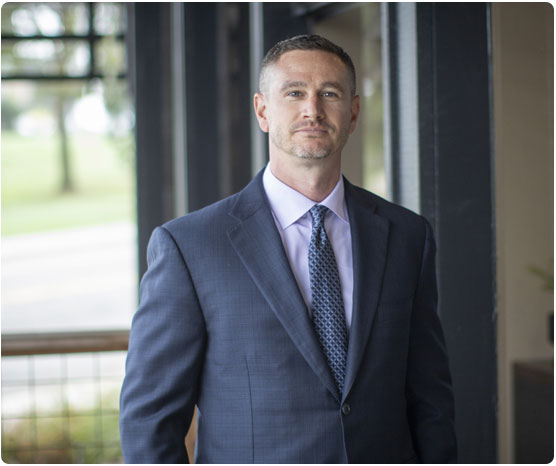
Jake Stipp is the owner and managing attorney at Stipp Law Firm. He focuses his practice on elder abuse and neglect cases across San Diego, helping families who are dealing with situations where something just doesn’t feel right about a loved one’s care.
These cases often involve nursing homes, assisted living facilities, or in-home caregivers where seniors may be left without proper supervision, care, or dignity. Jake works closely with families to figure out what happened and what can be done about it.
Before starting the firm, Jake worked at the Social Security Administration, reviewing disability claims and medical records tied to injury, decline, and long-term care needs. That experience still shapes how he approaches these cases today. He’s used to reading between the lines in medical documentation and spotting details that can point to neglect or mistreatment.
In elder abuse cases, those details matter more than people realize.
That’s also why families choose a boutique firm like Stipp Law Firm.
Instead of being passed around or handed off to different staff, every case is handled directly by Jake from start to finish. Families get clear communication, consistent updates, and an attorney who is personally involved in the strategy and direction of their case.
The goal is simple: understand what happened, protect your loved one, and hold the responsible parties accountable.
Why Local Experience Matters in Chula Vista
Elder abuse cases are not just legal matters; they are closely tied to how care is delivered, documented, and challenged within local systems.
Being familiar with Chula Vista and the surrounding South Bay area gives us practical insight into how these cases actually unfold, including:
- Knowledge of local nursing homes, assisted living facilities, and long-term care centers, families commonly rely on
- Experience working with nearby hospitals and medical providers whose records often play a key role in these cases
- Understanding how elder abuse and neglect claims are handled in San Diego County courts
- Insight into the strategies, facilities, and insurance companies often used when responding to allegations of neglect or abuse.
When a loved one may be at risk, this local understanding helps move quickly, identify issues early, and build stronger cases from the very beginning.
Types of Elder Abuse We Handle in Chula Vista
- Physical Abuse: Hitting, pushing, improper restraints, or overmedication used to control behavior.
- Emotional Abuse: Threats, humiliation, isolation, or intimidation that causes psychological harm.
- Sexual Abuse: Any non-consensual sexual contact often involving vulnerable individuals with cognitive decline.
- Financial Exploitation: Unauthorized use of funds, coercion, or manipulation involving assets or legal documents.
- Neglect: Failure to provide basic care such as food, hygiene, medication, or supervision.
- Abandonment: Leaving an elder without care, supervision, or safe support.stronger cases from the very beginning.
What Compensation You May Get
When families start looking into elder abuse, the first question is usually the same: What can actually be done about this?
California law gives strong protections to victims of elder abuse, especially under the Elder and Dependent Adult Civil Protection Act. In serious cases, the law allows for enhanced damages, including punitive damages where misconduct is reckless or intentional, and in many situations, families may also recover attorneys’ fees from the responsible party.
What that means in real terms is that compensation is not limited to basic costs. It can account for both the financial and human impact of what happened.
Depending on the case, recovery may include:
- Medical bills and ongoing treatment or rehabilitation
- Pain and suffering caused by neglect or abuse
- Emotional trauma experienced by the elder and family members
- Financial losses from misuse, theft, or exploitation
- Attorney’s fees covered by the defendant in qualifying cases
- Punitive damages in cases involving serious misconduct or concealment
While every case is different, families often see outcomes that generally fall into these ranges:
- Neglect cases (falls, dehydration, bedsores): typically mid-five figures to several hundred thousand dollars
- Serious injury cases (fractures, infections, hospitalizations): often six-figure settlements
- Severe neglect or wrongful death cases can range from several hundred thousand to multi-million dollar results, depending on the circumstances
You can view examples of past results to better understand how these cases have been resolved in real situations.
For most families, this isn’t just about compensation. It’s about holding the right people accountable and making sure the same harm doesn’t happen to someone else
How to Prove Elder Abuse in Chula Vista
Proving elder abuse requires more than just suspicion; it demands solid evidence and a strong legal strategy. At Stipp Law Firm, we focus on gathering the right documentation, identifying responsible parties, and telling your loved one’s story in a way the law respects.
Here’s what typically strengthens an elder abuse claim in Chula Vista:
- Medical records and injury reports from local hospitals like Sharp Chula Vista Medical Center or Scripps Mercy Hospital
- Care facility logs and staff schedules showing missed checks or untrained caregivers
- Photographs of visible injuries, bedsores, or unsafe conditions
- Witness statements from staff, visitors, or other residents
- Surveillance footage (when available) or staff text messages and internal communications
- Financial records showing irregular activity or unexplained asset changes
Because many cases involve vulnerable adults who cannot speak for themselves, we work with expert witnesses, medical professionals, and forensic analysts to build a detailed picture of abuse or neglect. Our elder abuse lawyers know how Chula Vista facilities operate and what kinds of excuses they try to use. We’ve seen them and overcome them.
Our Results in Elder Abuse Cases
We fight for outcomes that bring justice and relief to real families in elder abuse and neglect cases. Here are just a few of the results we’ve achieved:
Our elderly client with advanced dementia was given the wrong food and not monitored, leading to fatal choking. Despite the facility disputing liability and downplaying damages, we secured a strong result for the family.
A woman in her 90s suffered repeated falls and serious injuries due to inadequate care. We helped her move to a safer place and recover compensation that ensured comfort and dignity in her remaining years.
After falling and fracturing his hip, our client developed severe pressure ulcers. The facility denied responsibility, but we held them accountable and reached a fair settlement.
Behind every case is a family that trusted us to speak up, take action, and deliver results. These aren’t just numbers, they’re stories of accountability and recovery.
Reporting Elder Abuse in Chula Vista
If you’re concerned about elder abuse, report it immediately. Here are local contacts:
- Adult Protective Services: (800) 339-4661
- Chula Vista Police Department (non-emergency): (619) 691-5151
- California Department of Social Services (CCHD complaints): (833) 401-0832
- San Diego County Aging and Independence Services: (800) 339 4661
Then contact our office. We’ll help you understand what steps to take and how to protect your loved one moving forward
Why Legal Action Matters (Not Just Reporting)
Reporting abuse is only the first step.
Criminal cases may punish wrongdoing, but they don’t recover what your family has lost.
A civil case allows you to:
- Recover compensation for medical costs and losses
- Hold negligent facilities accountable
- Protect other residents from similar harm
Legal action isn’t just about justice; it’s about protection and long-term stability.
Protecting Your Loved One From Elder Abuse
You can reduce the risk by staying involved:
- Visit frequently and at different times
- Watch for physical or behavioral changes
- Monitor financial activity
- Keep valuables and documents secure
- Stay engaged in care decisions
If something doesn’t feel right, act on it early.
Why Families Trust Stipp Law
This isn’t just another case for the families we work with, and we don’t treat it like one.
Most families reach out when they’re confused, worried, or already feeling like they’ve been left without answers. They’re trying to understand whether what they’re seeing is “normal aging” or something that shouldn’t be happening at all.
What they get from us is steady guidance and real clarity, including:
- Straightforward communication so you’re never left guessing what’s happening with your case
- Deep experience handling complex elder abuse and neglect investigations
- Trial-ready preparation when facilities or insurers refuse to take responsibility
- Focused attention, because we intentionally limit the number of cases we take on
The goal is simple: uncover the truth, protect your loved one, and hold the responsible parties accountable.
Arbitration Agreements in Nursing Home Cases
It’s not uncommon for families to discover later that they signed more than just admission paperwork when a loved one entered a nursing home or assisted living facility.
Hidden within those documents is often something called an arbitration agreement. These are typically included in the intake process, often at a time when families are focused on urgent care decisions rather than reviewing legal terms line by line.
What these clauses generally do is shift disputes away from the courtroom and into private arbitration. That can change how a case is heard, limit public transparency, and affect how evidence is reviewed.
But agreeing to arbitration does not automatically end your ability to bring a case forward.
Whether those terms actually hold up depends on how they were introduced, whether they were properly explained, and whether the circumstances were fair at the time of signing. In elder abuse cases, courts sometimes refuse to enforce these agreements altogether.
This is one of those areas where experience becomes important quickly. Facilities and insurers often depend on these clauses to control how claims are handled, but they are not guaranteed protection from accountability.
At Stipp Law Firm, we go through admission paperwork carefully as part of every case review. If an arbitration agreement is present, we look closely at whether it can legally be enforced and whether it can be challenged. In many situations, families still have the option to pursue their case in court.
Take Action Against Elder Abuse in Chula Vista – Speak With an Attorney Today
If something doesn’t feel right with your loved one’s care, trust your instincts. Speaking with an experienced nursing home abuse attorney can help you understand what may be happening, identify whether there are signs of neglect or abuse, and determine the best way to protect your loved one.
A consultation is not a commitment. It’s a chance to share your concerns, get clear answers, and understand your legal options moving forward. You stay in control, making decisions at your own pace, with guidance from a team that understands what families are going through.
Call us today at (844) 994-0480 or reach out through our contact form. We’re here to listen, guide, and help you take the next step with confidence.
We are based in San Diego and serve families throughout Chula Vista and coastal San Diego.
1111 6th Ave, Suite 300
San Diego, CA 92101
[email protected]
Frequently Asked Questions
What qualifies as elder abuse under California law?
Any physical, emotional, financial, or sexual mistreatment of someone age 65 or older is considered elder abuse. In Chula Vista, this can happen in homes, hospitals, or facilities like assisted living centers and skilled nursing facilities.
How do I know if a facility in Chula Vista is under investigation?
You can check recent complaints through the California Department of Social Services website or contact the local Long-Term Care Ombudsman. We also maintain records of local facilities we’ve investigated or taken action against.
Who do I contact first if I suspect abuse?
Start with Adult Protective Services at (800) 339-4661 or call the Chula Vista Police Department’s non-emergency line at (619) 691-5151. Then contact Stipp Law Firm. We’ll help you protect your loved one and begin building your case immediately.
How does Stipp Law Firm handle these cases?
We handle everything, starting from evidence gathering and expert consultation to negotiation or trial. We deal with the facility, insurance adjusters, and opposing counsel so you can focus on supporting your loved one.
Do you only handle elder abuse in nursing homes?
No. We represent clients dealing with abuse or neglect in all settings, including assisted living homes, private care arrangements, adult day care centers, and home healthcare situations throughout Chula Vista.
What if my loved one has dementia or cannot testify?
That’s common in elder abuse cases. We rely on medical evidence, patterns of neglect, and expert witness testimony. Your loved one doesn’t need to testify for us to build a strong case and recover compensation.
What does compensation typically cover?
Compensation may include medical costs, pain and suffering, emotional trauma, loss of quality of life, and, in some cases, punitive damages. Every case is different, but our goal is to recover enough to help families find closure and security.
Is there a deadline to file a claim in Chula Vista?
Yes. California generally gives you two years from the date of injury or discovery to file a civil elder abuse lawsuit. In some cases involving fraud, concealment, or mental incapacity, this window can be extended. Contact us as soon as possible to avoid missing your chance.
How much does it cost to hire Stipp Law Firm?
We work on a contingency fee basis. You owe nothing unless we win. That means no retainer, no hourly fees, and no out-of-pocket expenses while we work on your case.
Stipp Law Firm acts for families across the county. If a facility elsewhere in the region is involved, our San Diego nursing home abuse attorneys page sets out how these claims work.